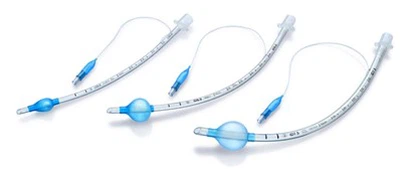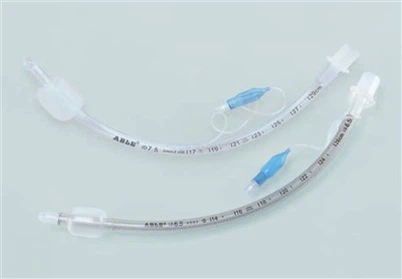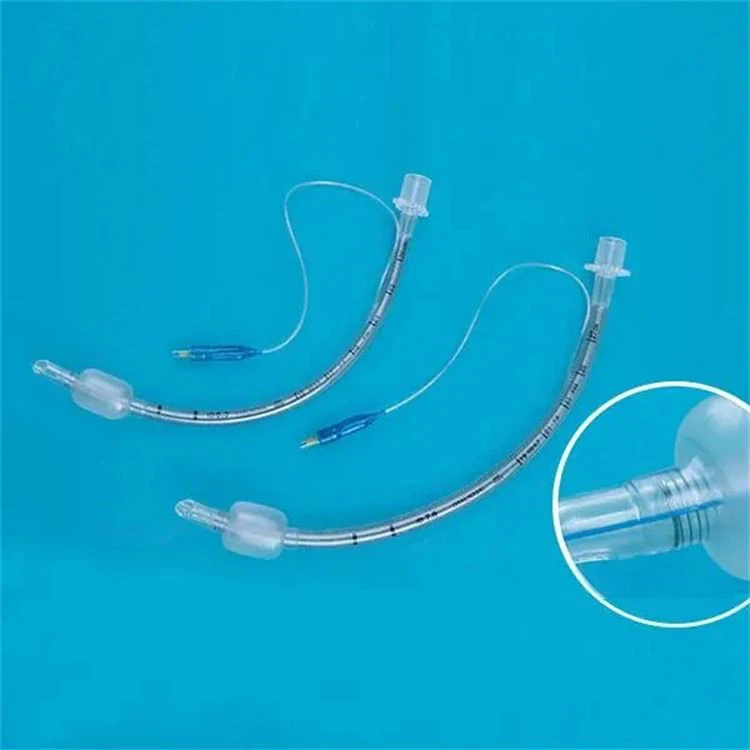
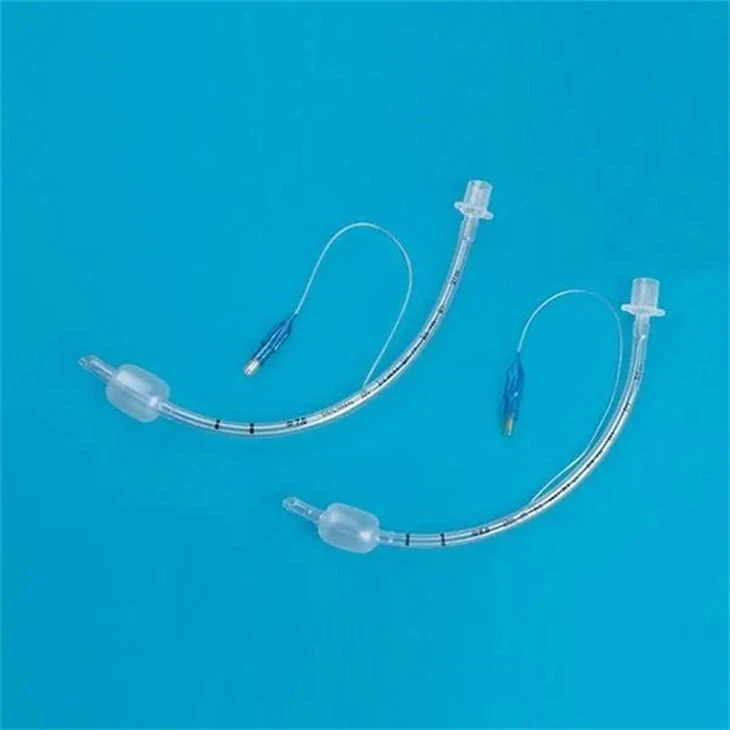
Laryngoscope Endotracheal Tube
A laryngoscope endotracheal tube is a medical device used during intubation, a procedure that involves inserting a flexible tube through the mouth or nose and into the airway to help a patient breathe.
Description
Products Description
A laryngoscope endotracheal tube is a medical device used during intubation, a procedure that involves inserting a flexible tube through the mouth or nose and into the airway to help a patient breathe. The laryngoscope is a tool that is used to lift the tongue and other tissues of the throat out of the way so that the endotracheal tube can be inserted. Once in place, it allows for the delivery of oxygen and other gases to the lungs, as well as the removal of carbon dioxide from the body. This type of tube is often used during surgeries or when the patient is unable to breathe on their own due to illness or injury.
Applications
1) Airway management during surgery: Laryngoscope endotracheal tube is often used to manage the airway of patients undergoing surgery. It allows anesthesia to be administered, and ensures that the patient's airway remains open and unobstructed throughout the procedure.
2) Emergency airway management: In emergency situations, when a patient requires immediate attention for their airway, laryngoscope endotracheal tube may be used to maintain the airway and provide oxygenation.
3) Intensive care medicine: Laryngoscope endotracheal tube is also used in intensive care settings to assist with mechanical ventilation, which can help patients who are experiencing respiratory failure or difficulty breathing.
4) Monitoring of respiratory function: Many hospitals use laryngoscope endotracheal tube to monitor patients' respiratory function during certain procedures or while under general anesthesia.
5) Diagnostic purposes: Laryngoscope endotracheal tube can also be used for diagnostic purposes to obtain samples from the lower respiratory tract of a patient, such as sputum.
Characteristics
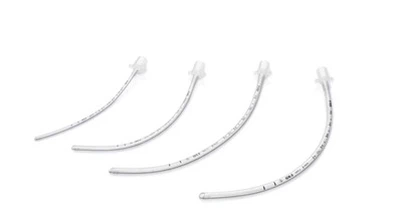
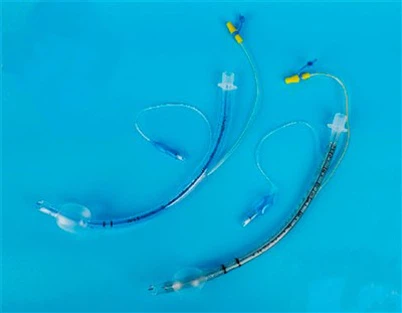
1) Shape and size: Laryngoscope endotracheal tubes come in various shapes and sizes to accommodate the individual patient's needs.
2) Material: These tubes are commonly made from polyvinyl chloride (PVC) material that is flexible, yet sturdy enough to handle long procedures.
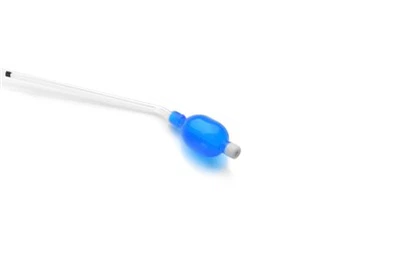
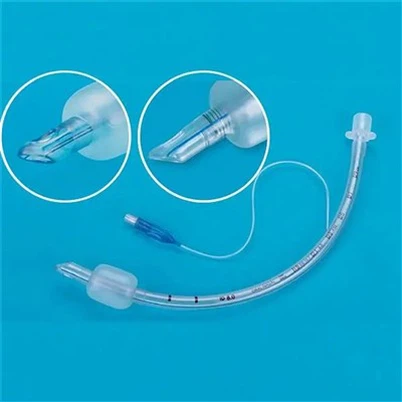
3) Cuff inflation system: This system allows the cuff around the tube to be inflated or deflated as necessary to ensure proper placement within the trachea while maintaining a seal to prevent aspiration.
4) Connector type: The connector on the end of the endotracheal tube varies based on the manufacturer, but common types include a standard 15mm connector and a modified connection for tight spaces.
5) Markings: Some laryngoscope endotracheal tubes have markings along their length to help the physician or nurse verify the depth of insertion.
6) Bevel orientation: The beveled edge of the tube indicates the opening for air to flow through and can be oriented upwards or downwards depending on the patient's needs.
Hot Tags: laryngoscope endotracheal tube, China laryngoscope endotracheal tube manufacturers, suppliers, factory
Send Inquiry
You Might Also Like