
Reinforced Tracheal Tube
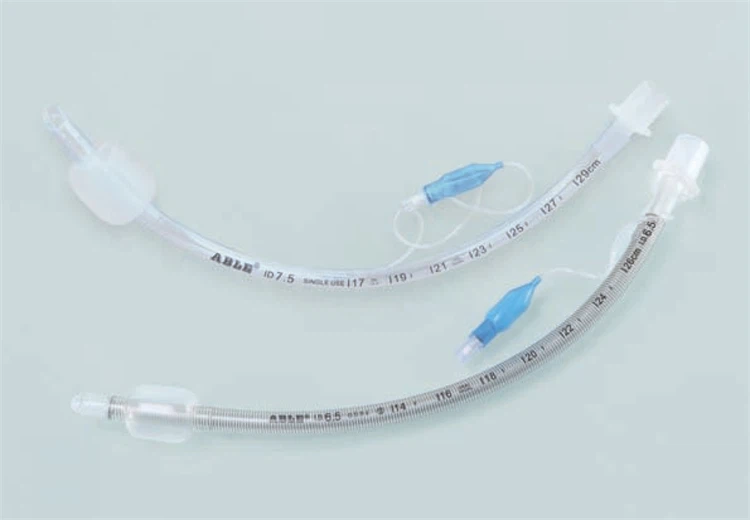
Reinforced tracheal tube is a type of endotracheal tube that has an internal reinforcing wire or coil. The wire provides structure and rigidity to the tube, making it less likely to kink or collapse during mechanical ventilation.
Description
Product Introduction
Reinforced tracheal tube is a type of endotracheal tube that has an internal reinforcing wire or coil. The wire provides structure and rigidity to the tube, making it less likely to kink or collapse during mechanical ventilation. It also helps the tube maintain its shape and position once placed in the patient's airway. The reinforcing wire is typically made of stainless steel or other non-corrosive metals, enclosed inside the tube wall. The distal tip is flexible allowing optimal placement during intubation and minimizes possible trauma to
the oral cavity or upper airway tissues.
Advantages
- Stability: reinforced tracheal tubes have a metal coil or spring embedded in their wall that increases their rigidity, stability and improves their shape retention. This feature is particularly useful when positioning the tube into the patient's trachea and during head and neck surgeries where displacement could cause a critical airway obstruction.
- Less kinking and obstruction: Because of their increased rigidity and the ability to retain their shape compared to traditional tracheal tubes, reinforced tubes are less likely to kink or obstruct, maintaining good ventilation.
- Comfort and safety: The cuff on reinforced tracheal tubes better conforms to the tracheal wall providing a better seal without excessive pressure, reducing the risk of air leakage or tissue damage. The appropriate seal also prevents secretions and foreign materials from entering the lungs and causing aspiration pneumonia.
- Control of positive-pressure ventilation: In mechanical ventilation, providers use positive pressure to inflate the lungs. Reinforced tracheal tubes can withstand higher pressures which allow more control over the positive pressure ventilation and enhances oxygenation delivery efficiency.
Product Specifications
|
Endotracheal Tube Reinforced |
|||
|
Cuffed |
Uncuffed |
||
|
Model No |
Size (Fr) |
Model No |
Size (Fr) |
|
PET-20RC |
2.0 |
PET-20R |
2.0 |
|
PET-25RC |
2.5 |
PET-25R |
2.5 |
|
PET-30RC |
3.0 |
PET-30R |
3.0 |
|
PET-35RC |
3.5 |
PET-35R |
3.5 |
|
PET-40RC |
4.0 |
PET-40R |
4.0 |
|
PET-45RC |
4.5 |
PET-45R |
4.5 |
|
PET-50RC |
5.0 |
PET-50R |
5.0 |
|
PET-55RC |
5.5 |
PET-55R |
5.5 |
|
PET-60RC |
6.0 |
PET-60R |
6.0 |
|
PET-65RC |
6.5 |
PET-65R |
6.5 |
|
PET-70RC |
7.0 |
PET-70R |
7.0 |
|
PET-75RC |
7.5 |
PET-75R |
7.5 |
|
PET-80RC |
8.0 |
PET-80R |
8.0 |
|
PET-85RC |
8.5 |
PET-85R |
8.5 |
|
PET-90RC |
9.0 |
PET-90R |
9.0 |
|
PET-95RC |
9.5 |
PET-95R |
9.5 |
|
PET-100RC |
10 |
PET-100R |
10 |

FAQ
What kind of surgeries would the Reinforced tracheal tube be used in?
Cardiothoracic surgery: Reinforced tracheal tubes are commonly used during open-heart surgery or any other procedure that requires the chest to be opened.
Neurosurgery: Tracheal intubation and mechanical ventilation are frequently necessary during neurosurgical procedures or head injury patients, and reinforced tracheal tubes can offer greater support during these instances.
Maxillofacial surgery: Patients undergoing maxillofacial procedures may require the use of a reinforced tracheal tube.
ENT (ear, nose & throat) surgery: Many ear, nose, and throat surgeries, such as tonsillectomies, adenoidectomies, and laryngeal surgeries, require tracheal intubation and mechanical ventilation, which warrant the use of a reinforced tracheal tube.
Emergency situations: In critical emergency situations like cardiac arrest, airway obstruction, respiratory failure, etc., reinforced tracheal tubes can help maintain breathing during the resuscitation process.
Hot Tags: reinforced tracheal tube, China reinforced tracheal tube manufacturers, suppliers, factory
Send Inquiry
You Might Also Like