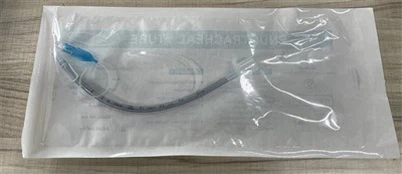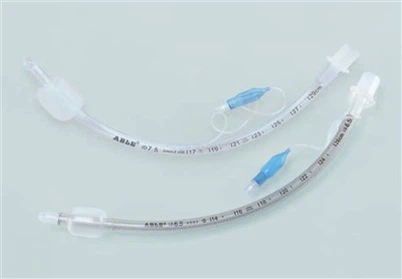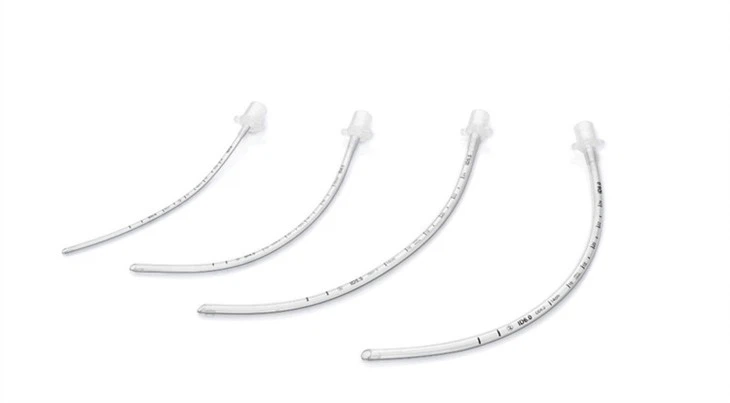
Intratracheal Tube
An intratracheal tube is a medical device used in emergency and critical care settings to provide oxygenation and support for breathing.
Description
An intratracheal tube is a medical device used in emergency and critical care settings to provide oxygenation and support for breathing. It's a hollow, flexible tube that is inserted through the mouth or nose and advanced down the trachea (windpipe) to reach the lungs. Once in place, the tube can be connected to a ventilator machine to deliver oxygen and assist with breathing. It may also be used for suctioning sputum or other secretions from the airway, as well as to deliver medications directly to the lungs. Intratracheal tubes come in different sizes to accommodate patients of various ages and sizes, and they are typically made of medical-grade silicone or polyvinyl chloride (PVC). However, inserting an intratracheal tube requires specialized training and should only be performed by trained medical professionals.


Using Steps
Assess the patient's condition - Determine whether intubation is necessary based on the patient's respiratory distress, level of consciousness, or other factors.
Gather equipment - You will need basic equipment such as gloves, a face mask, suction devices, and an endotracheal tube. Make sure everything is sterile.
Pre-oxygenate the patient - Administer high-flow oxygen to the patient for several minutes prior to beginning the procedure to increase the oxygen saturation in their blood.
Position the patient - Place the patient in a supine position with their head extended and neck flexed to align the oral, pharyngeal, and laryngeal axes.
Anesthetize the patient - Administer local anesthesia to prevent coughing and gagging during the procedure.
Insert the endotracheal tube - Insert the endotracheal tube through the patient's mouth or nose and into their trachea using a laryngoscope for visualization.
Confirm placement - Use a stethoscope or carbon dioxide detector to confirm that the tube is properly placed in the trachea rather than the esophagus.
Secure the tube - Once the tube is confirmed to be in place, secure it with tape or a commercial device to hold it in place.
Monitor the patient - Continuously monitor the patient's vital signs and oxygen levels following intubation.
Adjust the tube as needed - Check the position of the endotracheal tube frequently and adjust it as necessary to make sure it remains securely in place.
FAQ
What would be the advantages of using Intratracheal Tube?
Maintaining airway patency: The primary advantage of using an intratracheal tube is that it helps maintain airway patency in patients who are unable to breathe spontaneously. It ensures that oxygen is delivered to the lungs and carbon dioxide is removed efficiently.
Facilitating mechanical ventilation: Intratracheal tubes are often used in conjunction with mechanical ventilation systems, which can deliver a specific volume of air to the patient's lungs at a set rate. This helps give the patient the necessary oxygen to maintain proper bodily function while avoiding potential respiratory complications.
Allowing for suctioning of secretions: An intratracheal tube also enables healthcare providers to suction accumulated secretions from the patient's airways, preventing them from occluding airflow and leading to further respiratory complications.
Facilitating medications administration: Intratracheal tubes can be used to administer various forms of medication directly into the lungs. This method can be useful in situations where oral medication may not work correctly, such as when a patient experiences breathing difficulties.
Hot Tags: intratracheal tube, China intratracheal tube manufacturers, suppliers, factory
Send Inquiry
You Might Also Like