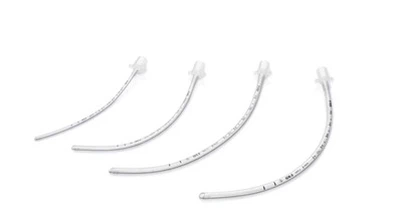
Human Endotracheal Tubes
Endotracheal tubes are medical devices used to secure and maintain the patient's airways during general anesthesia, mechanical ventilation, tracheal suctioning, or emergency respiratory support.
Description
Hangzhou Benzgum Medical Technology Co., Ltd. is one of the most reliable manufacturers and suppliers of human endotracheal tubes in China, also supports custom service and OEM&ODM service. With abundant experience, we warmly welcome you to wholesale bulk advanced human endotracheal tubes from our factory.
Products Description
Endotracheal tubes are medical devices used to secure and maintain the patient's airways during general anesthesia, mechanical ventilation, tracheal suctioning, or emergency respiratory support.
Specifically, human endotracheal tubes refer to a type of artificial airway made of plastic, rubber, or silicone materials that are inserted through the mouth or nose into the trachea or windpipe. They have an inflatable cuff that seals the tube in place and prevents the leakage of gases and fluids. The size and shape of endotracheal tubes vary based on the patient's age, gender, weight, and health condition.
Human endotracheal tubes are critical components in managing patients with acute respiratory distress syndrome (ARDS), chronic obstructive pulmonary disease (COPD), pneumonia, lung cancer, asthma, or other severe respiratory conditions. They enable healthcare professionals to deliver oxygen, remove carbon dioxide, and exert positive pressure ventilation.
Advantages
1) Reduced airway trauma: Special tips on ETTs have a softer, less traumatic surface that reduces the likelihood of airway injury during insertion and removal.
2) Improved intubation success rates: The shape and design of special tip ETTs make it easier for medical professionals to insert the tubes into the trachea, especially in more challenging cases such as patients with abnormal anatomy or those who are unresponsive.
3) Better airway protection: Special tip ETTs are designed to provide complete airway protection by creating a seal around the trachea, which reduces the risk of saliva, mucus, or other secretions entering the lungs.
4) Decreased need for suctioning: Due to the better airway protection provided by special tip ETTs, there is frequently less need for suctioning during intubation or post-extubation periods.
5) Enhanced patient comfort: The soft tip on the ETT can reduce discomfort when the tube is inserted or removed, leading to better overall patient experiences.
Product Specifications
|
Endotracheal Tube with Special Tip |
|||
|
Standard |
Reinforced |
||
|
Model No |
Size (Fr) |
Model No |
Size (Fr) |
|
PET-20M |
2.0 |
PET-20RM |
2.0 |
|
PET-25M |
2.5 |
PET-25RM |
2.5 |
|
PET-30M |
3.0 |
PET-30RM |
3.0 |
|
PET-35M |
3.5 |
PET-35RM |
3.5 |
|
PET-40M |
4.0 |
PET-40RM |
4.0 |
|
PET-45M |
4.5 |
PET-45RM |
4.5 |
|
PET-50M |
5.0 |
PET-50RM |
5.0 |
|
PET-55M |
5.5 |
PET-55RM |
5.5 |
|
PET-60M |
6.0 |
PET-60RM |
6.0 |
|
PET-65M |
6.5 |
PET-65RM |
6.5 |
|
PET-70M |
7.0 |
PET-70RM |
7.0 |
|
PET-75M |
7.5 |
PET-75RM |
7.5 |
|
PET-80M |
8.0 |
PET-80RM |
8.0 |
|
PET-85M |
8.5 |
PET-85RM |
8.5 |
|
PET-90M |
9.0 |
PET-90RM |
9.0 |
|
PET-95M |
9.5 |
PET-95RM |
9.5 |

FAQ
What are the functions of using Human Endotracheal Tubes?
Facilitation of Mechanical Ventilation: Endotracheal tubes allow for mechanical ventilation in patients whose lungs are functioning poorly, such as those with acute respiratory distress syndrome (ARDS), COPD, or pneumonia.
Protection against Airway Obstruction: ETT can help maintain an open airway and prevent obstruction from swelling or foreign body aspiration.
Monitoring Lung Function: ETT facilitates monitoring of lung function by allowing for continuous measurement of arterial carbon dioxide levels, which helps medical professionals monitor a patient's respiratory status and adjust treatment accordingly.
Aspiration of Secretions: ETT facilitate removal of secretions, keeping the airway clear and preventing complications like atelectasis, pneumonia, and respiratory failure.
Hot Tags: human endotracheal tubes, China human endotracheal tubes manufacturers, suppliers, factory
Send Inquiry
You Might Also Like