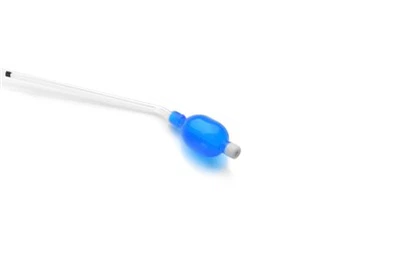
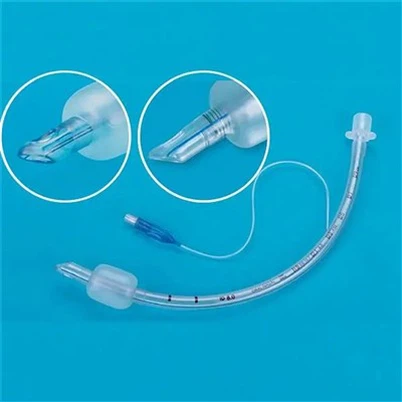
Endotracheal Tube For Infants
An endotracheal tube for infants is a medical device that is used to establish an airway in infants who are unable to breathe on their own or have a problem with their breathing.
Description
Hangzhou Benzgum Medical Technology Co., Ltd. is one of the most reliable manufacturers and suppliers of endotracheal tube for infants in China, also supports custom service and OEM&ODM service. With abundant experience, we warmly welcome you to wholesale bulk advanced endotracheal tube for infants from our factory.
An endotracheal tube for infants is a medical device that is used to establish an airway in infants who are unable to breathe on their own or have a problem with their breathing. This tube is inserted through the infant's nose or mouth and passed down the trachea until it hits the lungs. The purpose of this tube is to provide oxygen directly to the lungs, bypassing any blockages or obstructions in the upper airway.
Endotracheal tubes for infants are commonly used in emergency situations such as premature birth, respiratory distress syndrome, pneumonia, or other respiratory illnesses. They can also be used during surgeries that require general anesthesia, allowing healthcare providers to maintain and control the infant's airway throughout the procedure.
Features
1) Size: Endotracheal tubes for infants must be small enough to fit comfortably in their airway. The size is usually measured by the internal diameter of the tube and can range from 2.5 to 4.5 millimeters.
2) Material: The tube should be made of a soft, flexible material that will not damage the delicate tissues of the infant's airway.
3) Cuff: Some endotracheal tubes have a cuff that can be inflated to create a seal between the tube and the trachea. This helps prevent air leaks and reduces the risk of aspiration.
4) Stylet: A stylet is a rigid wire that can be inserted into the tube to help guide it through the airway. This can be especially helpful in cases where the infant has a difficult airway.
5) Length markings: Most endotracheal tubes have markings along the length of the tube to help determine the correct depth of insertion.
6) Connector: The endotracheal tube should have a connector that is compatible with the ventilator tubing and other respiratory equipment that will be used.
FAQ
What should be paid attention to when using Endotracheal tubes for infants?
1) Tube Size: Choosing the right size of the endotracheal tube is very important for proper ventilation of the infant. Generally, the tube size is decided based on the infant's weight, age, and height.
2) Positioning: Proper positioning of the tube is another crucial factor to be considered while using endotracheal tubes for infants. The tube must be inserted into the trachea through the mouth or nose with utmost care and should be positioned accurately to avoid possible complications.
3) Continuous Monitoring: Infants who require endotracheal tubes need continuous and careful monitoring by trained professionals to ensure that the airway is properly ventilated and free of obstacles. Vital signs such as oxygen saturation, heart rate, and blood pressure should be measured frequently.
4) Maintenance: Regular maintenance and cleaning of the endotracheal tube is necessary to prevent infections and blockages.
5) Removal: Endotracheal tubes must be removed with great care, and doctors should follow proper protocols and guidelines to prevent injuries or complications during removal.

Hot Tags: endotracheal tube for infants, China endotracheal tube for infants manufacturers, suppliers, factory
Send Inquiry
You Might Also Like