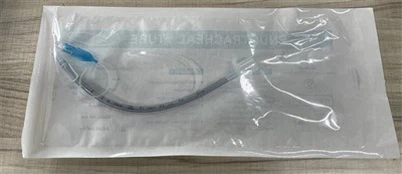
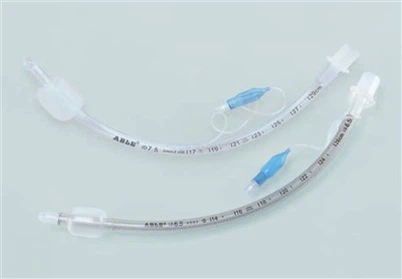
Nasal Tracheal Tube
Nasal Tracheal Tube is designed for insertion through the nostrils instead of the mouth.
Description
Nasal Tracheal Tube is designed for insertion through the nostrils instead of the mouth.
Reasons for choosing a nasal approach
Mouth/Oral Pathology: Patients with significant mouth or oropharyngeal pathology (e.g., trauma, tumors) may have compromised access for oral intubation. In such cases, nasal intubation can bypass these obstructions.
Improved Patient Comfort: Nasal intubation may be less uncomfortable for some patients, particularly those who are conscious and cooperative during the procedure. It avoids the gag reflex associated with oral intubation.
Oral Access Required: Certain surgical procedures require extensive access to the mouth or oral cavity, making oral intubation impractical. Nasal intubation allows unimpeded access for carrying out these procedures.
Dental Integrity: Patients with extensive dental work, severe malocclusion, or recent maxillofacial trauma may benefit from nasal intubation to avoid dislodging or compromising their dental work.
Nasal tracheal tubes used for nasal intubation have a similar structure to oral endotracheal tubes but have smaller diameters and specialized features to facilitate placement through the nasal passages. They still include an inflatable cuff at the distal end for securing the airway, as well as an adapter for connecting to ventilation equipment.
Product Specifications
|
Endotracheal Tube (Preformed Nasal Use) |
|||
|
Cuffed |
Uncuffed |
||
|
Model No |
Size (Fr) |
Model No |
Size (Fr) |
|
PET-25NC |
2.5 |
PET-25N |
2.5 |
|
PET-30NC |
3.0 |
PET-30N |
3.0 |
|
PET-35NC |
3.5 |
PET-35N |
3.5 |
|
PET-40NC |
4.0 |
PET-40N |
4.0 |
|
PET-45NC |
4.5 |
PET-45N |
4.5 |
|
PET-50NC |
5.0 |
PET-50N |
5.0 |
|
PET-55NC |
5.5 |
PET-55N |
5.5 |
|
PET-60NC |
6.0 |
PET-60N |
6.0 |
|
PET-65NC |
6.5 |
PET-65N |
6.5 |
|
PET-70NC |
7.0 |
PET-70N |
7.0 |
|
PET-75NC |
7.5 |
PET-75N |
7.5 |
|
PET-80NC |
8.0 |
PET-80N |
8.0 |
|
PET-85NC |
8.5 |
PET-85N |
8.5 |
|
PET-90NC |
9.0 |
PET-90N |
9.0 |
|
PET-95NC |
9.5 |
PET-95N |
9.5 |
|
PET-100NC |
10 |
PET-100N |
10 |

FAQ
What should be noticed when using Nasal Tracheal Tube?
Proper Sizing: Ensure appropriate selection of the nasal tracheal tube size based on the patient's age, weight, and anatomical characteristics. Tubes that are too large or too small can lead to complications like difficulty with insertion or inadequate ventilation.
Nasal Anatomy Assessment: Before attempting nasal intubation, assess the patient's nasal anatomy for any obstructions, deformities, or contraindications that may hinder the procedure. Conditions such as nasopharyngeal tumors, recent facial trauma, or significant nasal septal deviations may affect the feasibility of nasal intubation.
Lubrication: Apply an appropriate water-based lubricant to the tip of the nasal tracheal tube to aid smooth insertion through the nasal passages. This helps reduce discomfort for the patient and minimizes potential trauma.
Patient Positioning: Proper positioning is crucial for successful nasal intubation. Elevating the patient's head, performing slight neck extension, and utilizing appropriate sniffing position (extension at the atlanto-occipital joint) are common techniques used to align the oropharyngeal and nasopharyngeal axes, facilitating easier passage of the tube.
Hot Tags: nasal tracheal tube, China nasal tracheal tube manufacturers, suppliers, factory
Send Inquiry
You Might Also Like