What Is The Purpose Of A Rebreathing Bag?
Leave a message
The purpose of a rebreathing bag is to provide a means for gas rebreathing during anesthesia. It allows the anesthesiologist to control the patient's respiration and maintain a constant oxygen concentration in the inspired gas mixture.
During anesthesia, the patient's respiration is depressed or eliminated, and the anesthesiologist must provide ventilatory support to ensure adequate oxygenation and carbon dioxide elimination. The rebreathing bag functions as a reservoir for the expired gases, which are then rebreathed by the patient after being replenished with fresh gas mixtures.
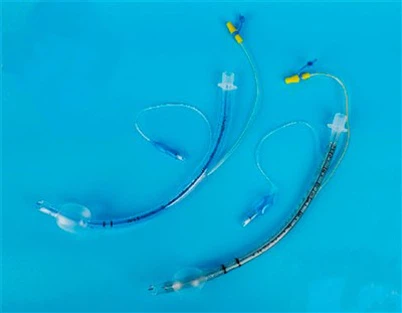
The rebreathing bag is connected to the patient's airway through an endotracheal tube or a face mask. As the patient exhales, the expired gases are collected in the bag. The bag is then squeezed by the anesthesiologist, forcing the expired gases back into the patient's airway. This process allows for gas rebreathing, which maintains a constant oxygen concentration in the inspired gas mixture.
The rebreathing bag also helps to reduce the amount of fresh gas required to maintain a constant oxygen concentration in the inspired gas mixture. By reusing expired gases, the bag conserves oxygen and other gases used during anesthesia, which can be beneficial in situations where gas supplies are limited or in remote locations where gas cylinders may be difficult to replace or transport.
In addition to its use during anesthesia, the rebreathing bag can also be used in other situations where respiratory support is required, such as in critical care units or in emergency situations where ventilators are not available. It provides a simple and effective method of manual ventilation that can be used when mechanical ventilators are not accessible.
However, there are some potential risks associated with the use of a rebreathing bag. High levels of carbon dioxide can accumulate in the expired gas mixture during rebreathing, which can lead to hypercapnia and acidosis if not managed properly. Therefore, it is essential that the anesthesiologist closely monitors the patient's respiration and adjusts the fresh gas flow to maintain normocapnia.
Another potential risk is cross-contamination if the rebreathing bag is used on multiple patients without proper sterilization. Therefore, it is important to follow strict sterilization procedures and use disposable components when possible to minimize the risk of cross-infection.
In conclusion, the purpose of a rebreathing bag is to provide a means for gas rebreathing during anesthesia and other situations where respiratory support is required. It conserves oxygen and other gases, reduces fresh gas requirements, and maintains a constant oxygen concentration in the inspired gas mixture. However, it is essential to manage the risks associated with carbon dioxide accumulation and cross-contamination to ensure patient safety.