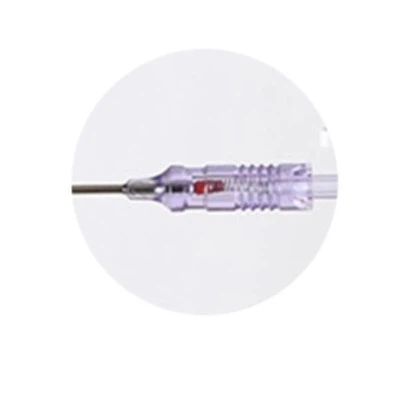
What Is A Laparoscopic Electrode?
Leave a message
A laparoscopic electrode is a medical device that is used in laparoscopic surgery to deliver high-frequency electrical energy to the tissue. It is an essential tool for surgeons to perform minimally invasive procedures effectively and safely.
Laparoscopic electrodes are typically made of metal and are designed to conduct high-frequency electrical energy efficiently. They come in various shapes and sizes, depending on the specific surgical procedure being performed. Some electrodes are straight, while others are curved or have a tip that is angled for better visualization and access to the tissue.
In laparoscopic surgery, the surgeon inserts the laparoscopic electrode through a small incision or puncture in the abdominal wall. The electrode is then placed in contact with the tissue, usually the affected organ or structure. Once the electrode is in place, high-frequency electrical energy is applied, generating heat and cauterizing the tissue. This process effectively seals off blood vessels and other structures, controlling bleeding and reducing the risk of post-operative complications.
Laparoscopic electrodes are commonly used in a range of surgical procedures, including gallbladder removal, gastric bypass surgery, hernia repair, and hysterectomy. They offer several advantages over traditional open surgery techniques. One of the main benefits is that they allow for a less invasive approach to surgery, reducing the size of incisions and the risk of infection and other post-operative complications.
Laparoscopic electrodes also enable surgeons to perform surgery with greater precision and control. The laparoscope, which is inserted into the abdominal cavity, provides a close-up view of the surgical field, allowing the surgeon to visualize the tissue and structures more clearly. This improved visualization allows for a more accurate delivery of energy to the tissue, minimizing damage to surrounding tissues and structures.
Despite their benefits, laparoscopic electrodes also carry some risks. One of the main concerns is the risk of electrical burns or burns from the heat generated by the electrode. To minimize this risk, surgeons must follow proper safety protocols and ensure that all electrical energy is applied properly and in controlled doses.
Another concern is the risk of tissue damage due to the insertion of the electrode into the tissue. To minimize this risk, surgeons must use proper techniques and insert the electrode slowly and with precision.
Laparoscopic electrodes are an essential tool in laparoscopic surgery, allowing for a less invasive and more precise approach to surgery. They enable surgeons to control bleeding, seal off structures within the tissue, and perform a wide range of surgical procedures safely and effectively. However, surgeons must follow proper safety protocols and use proper techniques to ensure the safe and effective use of these electrodes.