What Does A Smoke Evac System Do?
Leave a message
In today's world, smoke evac systems have become an essential component in various settings, playing a crucial role in ensuring safety and maintaining a healthy environment. But what exactly does a smoke evac system do?
A smoke evac system is designed to remove smoke, fumes, and other airborne contaminants quickly and efficiently. In medical facilities such as hospitals and surgical centers, these systems are of utmost importance. During surgical procedures, the use of lasers, electrosurgical devices, and other high-energy tools can generate significant amounts of smoke. This smoke contains harmful particles, such as viruses, bacteria, and toxic chemicals, which can pose a serious risk to the health of patients and medical staff.
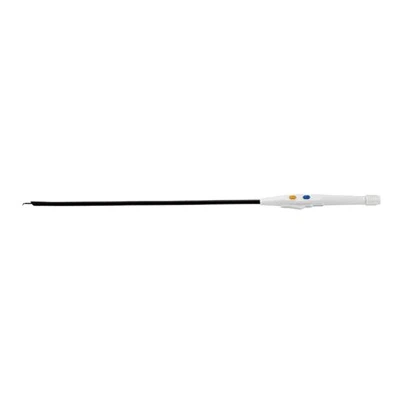
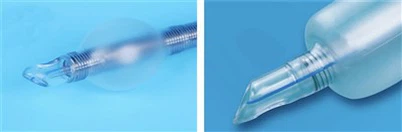
The smoke evac system in a surgical suite works by using powerful suction to draw the smoke away from the surgical site and into a filtration unit. The filtration unit then removes the harmful particles from the smoke, releasing clean air back into the environment. This not only helps to protect the patient from potential infections but also provides a clear view for the surgeons, enhancing the precision and safety of the procedure.
In industrial settings, smoke evac systems are equally important. Welding, cutting, and other manufacturing processes can produce large amounts of smoke and fumes that can be hazardous to workers' health. Exposure to these contaminants can lead to respiratory problems, eye irritation, and other health issues. A smoke evac system in an industrial facility is designed to capture and remove these harmful emissions at the source, before they can spread throughout the workplace.
For example, in an automotive manufacturing plant, welding operations generate a significant amount of smoke. A well-designed smoke evac system can quickly remove this smoke, improving the air quality in the work area and reducing the risk of health problems for the workers. The system may also include features such as adjustable suction hoods and flexible hoses to ensure that the smoke is captured effectively from different workstations.
In addition to protecting human health, smoke evac systems can also help to prevent damage to equipment and facilities. Smoke and fumes can accumulate on sensitive electronic equipment, causing corrosion and reducing its lifespan. In a data center or laboratory, a smoke evac system can help to maintain a clean environment, protecting valuable equipment and ensuring the accuracy of experiments and data processing.
Moreover, smoke evac systems can play a critical role in fire safety. In the event of a fire, smoke is one of the most dangerous elements, as it can quickly fill a building and make it difficult for people to escape. A smoke evac system can help to remove smoke from the building, improving visibility and reducing the risk of smoke inhalation. Some smoke evac systems are even designed to work in conjunction with fire suppression systems, providing an added layer of protection.
As technology continues to advance, smoke evac systems are becoming more sophisticated and efficient. New filtration technologies are being developed to remove even the smallest particles from the air, while advanced control systems allow for easy operation and monitoring. Some systems are also designed to be energy-efficient, reducing operating costs and environmental impact.
In conclusion, smoke evac systems play a vital role in protecting human health, preventing damage to equipment, and enhancing fire safety in a wide range of settings. Whether in a hospital, industrial facility, or other environment, these systems are an essential investment in ensuring a safe and healthy workplace. As awareness of the importance of indoor air quality continues to grow, the demand for effective smoke evac systems is likely to increase, driving further innovation and development in this field.