How To Remove Intestinal Polyps
Leave a message
Intestinal polyp surgery is prone to recurrence. Small polyps (within 1.5cm) can be eliminated with drugs such as Xifuxin, which can regulate the patient's entire gastrointestinal function and generate qi lowering mechanism. It can help to soften and solidify the nodules, significantly reducing tumor recurrence and polyp growth. Polyps larger than 1.5cm can be surgically treated before administration to eliminate polyp lesions and prevent recurrence.
The main methods for removing polyps are various endoscopic methods. Different surgical methods are used based on the shape, size, quantity, and thickness of the polyps:
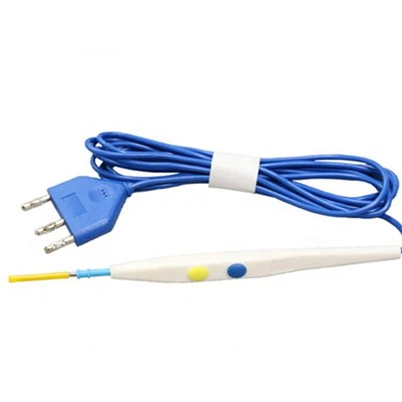
① High frequency electrocoagulation snare resection method: mainly used for pedicled polyps
② High frequency electrocoagulation cauterization method: mainly used for multiple hemispherical small polyps
③ High frequency electrocoagulation and biopsy forceps: Currently, they are rarely used and are mainly replaced by high-frequency electrocoagulation and biopsy forceps
④ Laser gasification method and microwave heating method: suitable for those who do not need to keep histological specimens
⑤ Biopsy forceps removal method: mainly used for simple and feasible biopsy of single or few small spherical polyps
⑥ Mucosal exfoliation and embedding method: mainly used for patients with flat polyps or early cancer
⑦ Staged batch removal method: mainly used for patients with more than 10-20 polyps who cannot be removed in one go
⑧ Tight junction removal method: mainly used for patients with long pedicled large polyps that are difficult to hang in the intestinal cavity. Large polyps are tightly connected to the intestinal wall for electrocoagulation removal
⑨ Endoscopic surgery combined with surgical treatment: mainly used for polyp patients to resect the sparse area of the polyp surgically, which can achieve the treatment goal and maintain the normal function of the large intestine
Intestinal polyp surgery is prone to recurrence. Small polyps (within 1.5cm) can be eliminated with drugs such as Xifuxin, which can regulate the patient's entire gastrointestinal function and generate qi lowering mechanism. It can help to soften and solidify the nodules, significantly reducing tumor recurrence and polyp growth. Polyps larger than 1.5cm can be surgically treated before administration to eliminate polyp lesions and prevent recurrence.
The main methods for removing polyps are various endoscopic methods. Different surgical methods are used based on the shape, size, quantity, and thickness of the polyps:
① High frequency electrocoagulation snare resection method: mainly used for pedicled polyps
② High frequency electrocoagulation cauterization method: mainly used for multiple hemispherical small polyps
③ High frequency electrocoagulation and biopsy forceps: Currently, they are rarely used and are mainly replaced by high-frequency electrocoagulation and biopsy forceps
④ Laser gasification method and microwave heating method: suitable for those who do not need to keep histological specimens
⑤ Biopsy forceps removal method: mainly used for simple and feasible biopsy of single or few small spherical polyps
⑥ Mucosal exfoliation and embedding method: mainly used for patients with flat polyps or early cancer
⑦ Staged batch removal method: mainly used for patients with more than 10-20 polyps who cannot be removed in one go
⑧ Tight junction removal method: mainly used for patients with long pedicled large polyps that are difficult to hang in the intestinal cavity. Large polyps are tightly connected to the intestinal wall for electrocoagulation removal
⑨ Endoscopic surgery combined with surgical treatment: mainly used for polyp patients to resect the sparse area of the polyp surgically, which can achieve the treatment goal and maintain the normal function of the large intestine