What is the application scope of an electrosurgical electrode in gynecological surgery?
Leave a message

In the realm of modern gynecological surgery, electrosurgical electrodes have emerged as indispensable tools, revolutionizing the way various procedures are conducted. As an established supplier of high - quality electrosurgical electrodes, I am excited to delve into the extensive application scope of these devices in gynecological surgery.
1. Tissue Incision and Excision
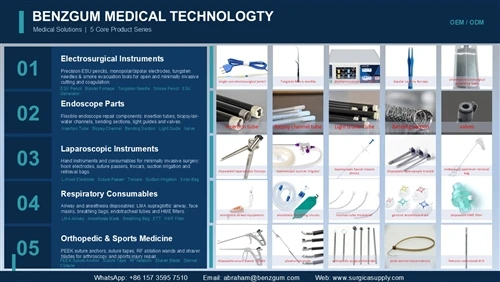
One of the primary applications of electrosurgical electrodes in gynecological surgery is tissue incision and excision. The Electrosurgery Needle Electrode is particularly well - suited for this purpose. Its sharp and fine tip allows for precise incisions, minimizing damage to surrounding tissues. In procedures such as the removal of cervical polyps, the needle electrode can be used to accurately cut through the polyp stalk, providing a clean and efficient excision.
The ESU Active Electrode also plays a crucial role in larger tissue excisions. For example, in hysterectomy procedures, the active electrode can be employed to dissect the uterus from its surrounding ligaments and tissues. The high - frequency electrical current passing through the electrode rapidly heats and cuts through the tissues, reducing blood loss compared to traditional scalpel incisions. This is because the heat generated by the electrosurgical current simultaneously coagulates the blood vessels as it cuts, creating a relatively blood - free surgical field.
2. Hemostasis
Hemostasis, the control of bleeding, is a critical aspect of any surgical procedure, and electrosurgical electrodes are highly effective in achieving this in gynecological surgery. The Electrosurgery Ball Electrode is commonly used for hemostasis. Its rounded tip distributes the electrical current over a larger area, allowing for effective coagulation of bleeding vessels.
During procedures like endometrial ablation, where the goal is to destroy the endometrial lining to treat heavy menstrual bleeding, the ball electrode can be used to cauterize any bleeding points on the uterine wall. By applying the appropriate electrical settings, the electrode can seal off small blood vessels, preventing excessive bleeding and promoting a more stable surgical environment.
In addition, the electrosurgical electrodes can be used to control bleeding during laparoscopic gynecological surgeries. The ability to perform precise hemostasis through the small incisions used in laparoscopy is essential, and electrosurgical devices offer a minimally invasive solution. The Electrosurgery Electrodes can be easily maneuvered within the abdominal cavity to target and coagulate bleeding vessels, reducing the need for open surgery in cases of bleeding complications.
3. Tissue Destruction and Ablation
Electrosurgical electrodes are also widely used for tissue destruction and ablation in gynecological conditions. In the treatment of cervical intraepithelial neoplasia (CIN), which is a precancerous condition of the cervix, electrosurgical ablation using specialized electrodes can be an effective treatment option. The Surgical Electrodes can be used to deliver a high - energy electrical current to the abnormal cervical tissue, destroying it without causing significant damage to the surrounding healthy tissue.
Endometrial ablation is another common gynecological procedure where electrosurgical electrodes are employed for tissue destruction. By using the electrodes to heat and ablate the endometrial lining, the growth of the lining is reduced, resulting in lighter menstrual periods or even amenorrhea in some cases. This is a less invasive alternative to hysterectomy for women with heavy menstrual bleeding who do not wish to undergo major surgery.
4. Minimally Invasive Surgeries
The advent of minimally invasive gynecological surgeries, such as laparoscopy and hysteroscopy, has been greatly facilitated by the use of electrosurgical electrodes. These electrodes are designed to be compatible with the small - diameter instruments used in these procedures. They can be inserted through the laparoscopic or hysteroscopic ports and used to perform a variety of tasks, including tissue cutting, coagulation, and ablation within the confined spaces of the pelvic cavity.
In laparoscopic surgeries, electrosurgical electrodes are used to perform procedures such as ovarian cystectomy, where cysts are removed from the ovaries. The electrodes can be used to make incisions in the ovarian tissue, separate the cyst from the surrounding healthy tissue, and control bleeding during and after the excision. The minimally invasive nature of these procedures, enabled by the use of electrosurgical electrodes, results in less pain, shorter hospital stays, and faster recovery times for patients.
5. Advantages of Using Our Electrosurgical Electrodes
As a supplier of electrosurgical electrodes, we take pride in offering products that are designed with the latest technology and adhere to the highest quality standards. Our electrodes are made from high - grade materials that ensure optimal electrical conductivity and durability. They are carefully designed to provide maximum precision during surgical procedures, minimizing the risk of tissue damage and improving patient outcomes.
In addition, our electrosurgical electrodes are available in a wide range of shapes and sizes to meet the diverse needs of different gynecological surgeries. Whether it is a delicate cervical procedure or a more complex hysterectomy, we have the right electrode for the job. Our team of experts is also available to provide technical support and guidance to surgeons and healthcare professionals, ensuring that they can use our products safely and effectively.


Call to Action
If you are a healthcare professional or a facility involved in gynecological surgeries and are interested in learning more about our electrosurgical electrodes, or if you are looking to discuss a potential procurement, we would be delighted to connect with you. Our products offer a reliable and cost - effective solution for all your electrosurgical needs in gynecology. Reach out to us to start a conversation about how our electrodes can enhance the quality of your surgical procedures.
References
- Berek JS, Hacker NF. Berek & Novak's Gynecology. 15th ed. Philadelphia, PA: Lippincott Williams & Wilkins; 2021.
- Stovall TG, Ling FW. Comprehensive Gynecology. 8th ed. St. Louis, MO: Elsevier; 2020.
- American College of Obstetricians and Gynecologists. ACOG Practice Bulletins. Washington, DC: American College of Obstetricians and Gynecologists; 2019 - 2022.